Termite Treatment Services for Clayton Homeowners
Request a termite estimate
Termites eat wood from the inside. You may not see them until the damage is well along. That is why a quick look from a pro matters.
Philadelphiaintelligence Pest Control is a referral service. We do not treat homes. We connect homeowners in the Clayton area with independent providers in our network. They inspect, explain what they find, and put a quote in writing. You compare, ask questions, and decide. There is no obligation to hire anyone. This page shows the warning signs, how treatment works, what it costs, and how to keep termites from coming back.
Signs of Termites? Start Here
Short answer: mud tubes, winged insects indoors, or soft wood mean you should get an inspection. Do it soon. Termites work out of sight, so what you see is often a small part of the problem.
Take photos. Leave the area alone. Do not spray it. Then request an estimate.
Why Termites Need Prompt Attention
Termites feed all the time. They do not stop for weekends or winter. Damage builds slowly, then costs more to fix. A small colony found early is a smaller job.
Many homes in our region are frame houses that are decades old. Older wood, damp basements, and spring flooding give termites an easy start.
Know the Warning Signs
Look for these:
- Pencil-width mud tubes on foundation walls or basement beams
- Discarded wings near windows or doors
- Wood that sounds hollow when you tap it
- Paint that bubbles or sags for no clear reason
- Doors and windows that suddenly stick
- Tiny pellets under a wall or beam
One sign is enough to book a look. You do not need all six.
Swarmers vs. Flying Ants
Both have wings. Termites have a thick waist and two wings of equal length. Flying ants have a pinched waist and uneven wings. Save a few in a jar or on tape. A provider can tell you in seconds.
Types of Termites
Three kinds matter to homeowners.
Subterranean Termites
These live in soil and travel up through mud tubes. They are the most common type. Damp crawl spaces and basement walls are favorite entry points.
Drywood Termites
These live inside the wood itself. They do not need soil contact. They are less common in cold-winter regions, but they can ride in on furniture.
Dampwood Termites
These want very wet wood. Leaks, bad gutters, and flooded basements invite them. Fix the moisture and the risk drops.
How Termite Treatment Works
Expect four parts. First, an inspection. Second, a plan matched to the type of termite. Third, the treatment. Fourth, a check-up plan.
For soil-based termites, a provider may apply a liquid barrier around the foundation. Or they may place bait stations in the ground. Bait takes longer. It can reach the colony itself.
For wood-dwelling termites, options include spot treatment or whole-structure treatment. Ask which one fits your case and why.
Full Basements and Sump Pumps
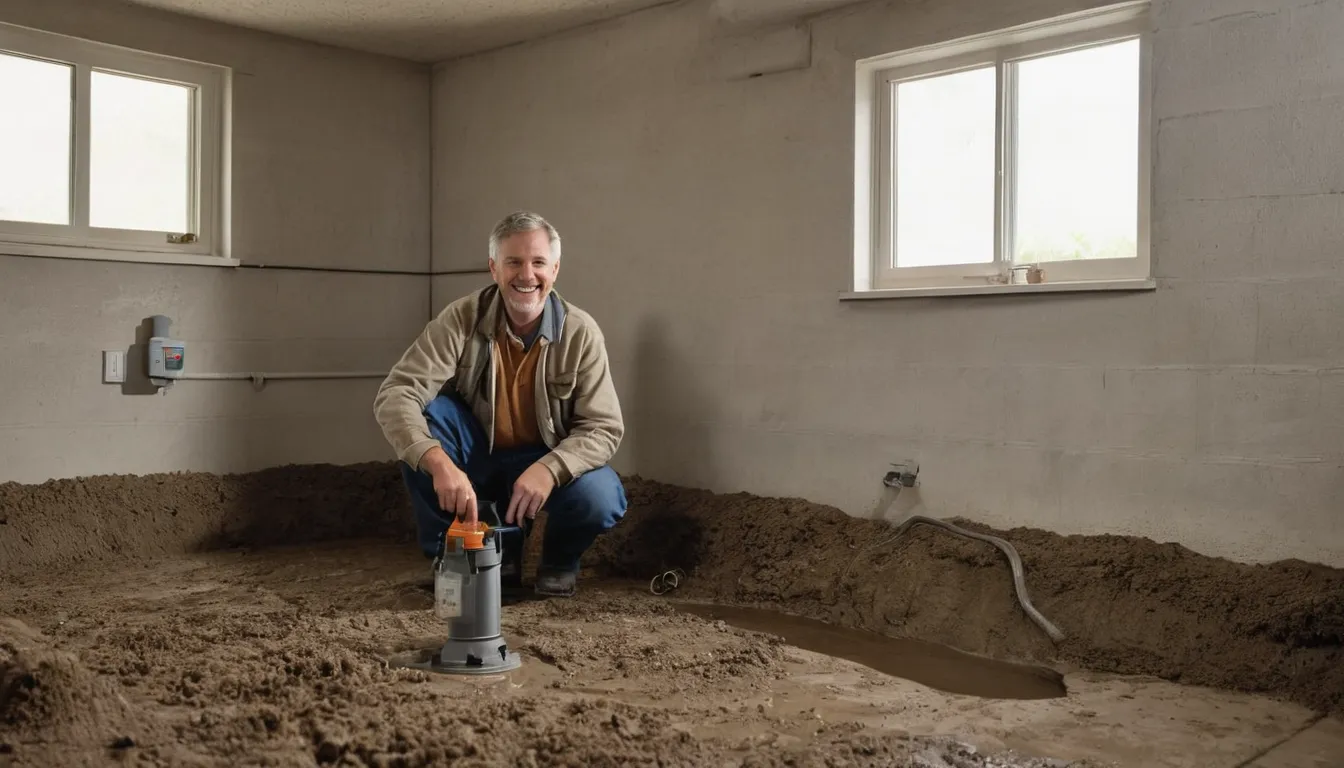
Basements make this work harder. Providers may need to drill through slab edges or treat along inside walls. Tell them where your sump pit, drain lines, and finished walls are. Good providers will ask.
Termite Inspections for Home Sales
Buying or selling? Lenders and buyers often ask for a written termite report. Book it early. A clean report helps a sale. A problem found early gives you time to treat and negotiate.
Ask for the report in writing. Ask what areas were not reachable.
Choosing a Termite Provider
Ask. Then decide. Here are the questions that matter, and what a good answer sounds like.
What Should I Ask?
- What type of termite is this? A good answer names the species and points to proof.
- What will you do, step by step? A good answer is plain and specific.
- What products and methods will you use? A good answer names them and explains why.
- What does the warranty cover? A good answer is in writing, with terms and renewal costs.
- Who handles repairs? Most treatment providers do not rebuild wood. Expect a clear answer.
Red Flags
- A quote with no inspection
- Pressure to sign today
- A vague price with no scope
- No written agreement
- Claims that sound too big to be true
Quote in writing. Always.
Request a callback to check provider availability, or use the form.
After Treatment: Keep Termites Out
Fix it, seal it. Then maintain it.
- Keep soil, mulch, and wood piles away from the foundation
- Point downspouts away from the house
- Check the sump pump before spring thaw
- Fix leaks and run a dehumidifier in damp basements
- Seal gaps where pipes and wires enter
- Store firewood off the ground and away from walls
Hot humid summers and heavy storms keep moisture high. Dry wood is a weak target.
Yearly Check-Ups
Book an inspection once a year. Many warranties need it anyway. Walk your basement each season. Look for new tubes, wings, or damp spots.
Ready to Compare Estimates?
Get a quote in writing from a local provider. Compare scope, method, and warranty, not just price.
What's Included
Full Inspection
A provider checks the foundation, basement, crawl space, and attic for live activity and past damage.
Written Quote
You get the scope, method, and price on paper before any work begins.
Treatment Plan
Soil barrier, bait stations, or wood treatment, matched to the termite type.
Follow-Up Checks
Ask about yearly inspections and warranty terms so you know what happens after the job.
Typical Termite Treatment Costs
Prices vary by home size, termite type, and method. These are typical U.S. ranges only. Get a written quote from a local provider before you agree to anything.
| Service | Typical range | Notes |
|---|---|---|
| Termite inspection | $75 – $300 | Some providers credit it toward treatment |
| Liquid soil barrier | $1,200 – $3,500 | Depends on linear feet around the home |
| Bait station system | $1,500 – $3,500 | Slower, with ongoing monitoring |
| Wood spot treatment | $250 – $900 | For small, confined drywood activity |
| Whole-structure treatment | $2,000 – $8,000 | Larger homes cost more |
| Yearly renewal or monitoring | $150 – $400 | Check what the warranty covers |
How It Works
Send a Request
Tell us what you found and where. Add photos if you have them.
Get Matched
A local provider in our network reaches out to set up an inspection.
Review the Quote
Compare the scope, method, and warranty in writing. Ask questions.
Treat and Maintain
Choose a provider, then keep moisture down and book yearly checks.
Why Call Philadelphiaintelligence Pest Control
Ask Before You Hire
Clear questions get clear answers. We show you which ones to ask and what to listen for.
Independent Providers
Local providers in our network do the work. You compare them and choose freely.
Plain Quotes
Look for scope, method, price, and warranty in writing before you say yes.
No Obligation
Request an estimate, read it, and decide on your schedule.
Other Services
Need termite treatment services in Clayton?
Tell us what you see at home. Send a request and a local provider in our network can follow up with an estimate. No obligation.
No obligationTermite Treatment Services FAQ
How do I know if I have termites?
Look for mud tubes on foundation walls, discarded wings, hollow-sounding wood, and sticking doors. One sign is enough to book an inspection. A provider can confirm the type and how far it has spread.
Can I treat termites myself?
Store-bought sprays rarely reach the colony. They can scatter termites and hide the problem. A provider can find the source and choose a method that fits your home. Get a written quote and compare options.
How much does termite treatment cost?
Typical U.S. costs run from a few hundred dollars for spot treatment to several thousand for a whole home. Size, termite type, and method all matter. Always get a written quote first.
Tell us what happened
Tell us what you see at home. Send a request and a local provider in our network can follow up with an estimate. No obligation.
No obligation