Rodent and Wildlife Removal for Clayton Homeowners
Request an estimate today
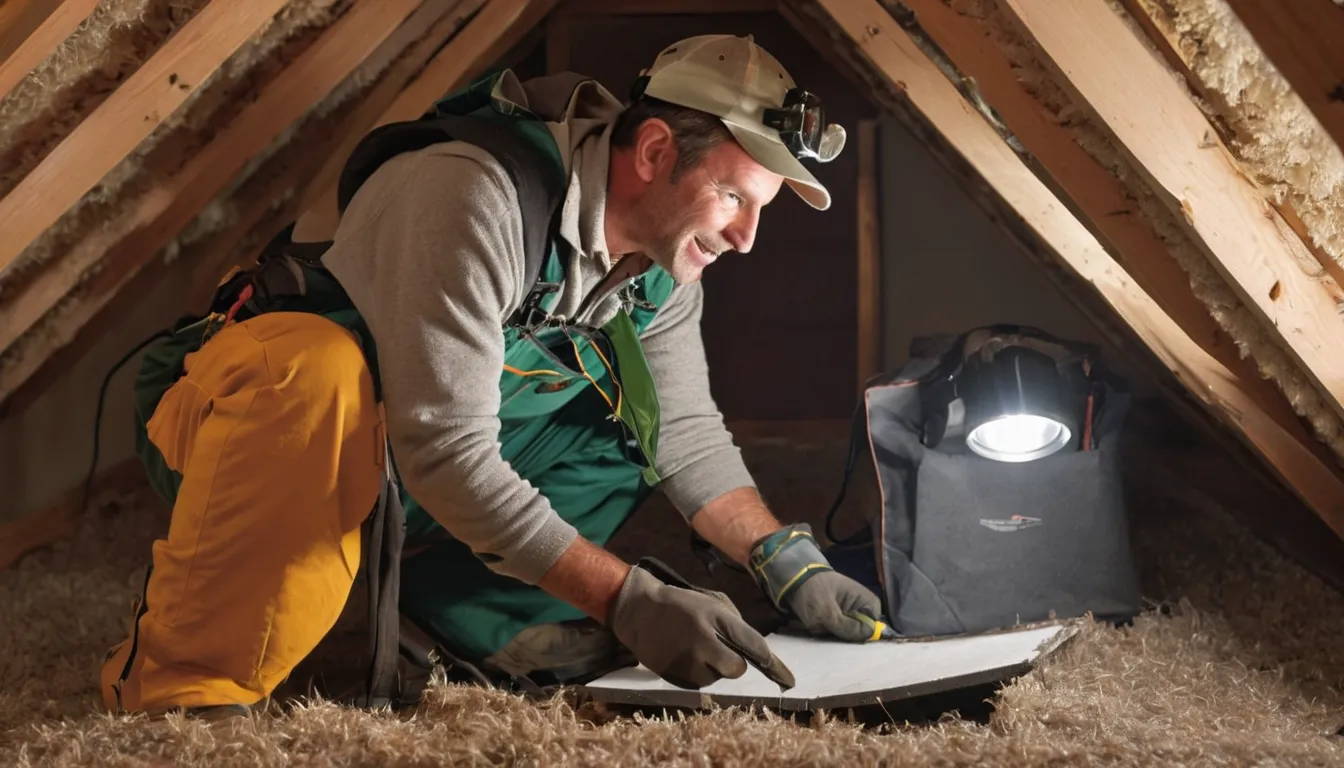
If you hear scratching in the walls or see droppings in the attic, an animal has moved in. It will not leave on its own. Mice, rats, squirrels, raccoons, and bats all find a way into homes across the Clayton area.
Philadelphiaintelligence Pest Control is a referral service. We do not do the work. We connect you with independent providers in our network who handle rodent and wildlife removal. Request an estimate, compare answers, and pick the provider you trust. There is no obligation. This page tells you what to look for, what to ask, and how to keep animals out once the job is done.
Animals in the attic or walls? Start here
Get a provider to look at it. Do not guess what is up there. A mouse, a squirrel, and a raccoon need three different plans.
A provider finds the animal, finds the entry point, and picks a method. That order matters. Skip any step and the problem comes back.
Why waiting makes it worse
Animals do not stay small problems. Mice breed fast. Squirrels and raccoons tear up insulation and chew wires. Wet insulation and droppings spread through a space quickly.
Cold winters push animals indoors. Warm, hidden spots like attics and wall gaps look like shelter to them. Spring flooding and storm damage open new gaps, too.
Request a callback to check provider availability. Many providers can respond quickly when you describe what you hear.
Signs to watch for
Some signs are loud. Some are quiet. Check for these:
- Scratching, thumping, or running sounds, often at dusk or at night
- Droppings in corners, cabinets, or the attic
- Gnaw marks on wood, wires, or stored boxes
- Greasy rub marks along walls and baseboards
- Torn insulation or a nest of shredded paper
- A sharp, musty smell
- Pet reactions to a spot on the wall or ceiling
See chewed wiring? Treat it as urgent. Chewed wires are a fire risk.
Common animals providers handle
Mice and rats
Mice fit through a gap the size of a dime. Rats need a bit more room. Both chew, nest, and leave droppings. In older frame houses and full basements, they travel along pipes and sill plates.
Squirrels, raccoons, and bats
Squirrels and raccoons rip at roof edges, vents, and soffits. They are strong. A hail-damaged roof gives them an easy start. Bats slip through very small gaps and have special rules, covered below.
How removal works
Step one: inspection
The provider checks the attic, crawl space, basement, and roofline. They look for the animal, the nest, and every gap. Expect photos or a clear explanation.
Step two: removal
Traps, one-way doors, and other tools remove the animal. The right tool depends on the species and the season. Ask which one the provider plans to use, and why.
Step three: sealing
Fix it, seal it. Removal without sealing is half a job. Gaps get closed with metal, mesh, or solid repairs, not foam alone. Animals chew through foam.
Step four: cleanup and repair
Droppings and wet insulation may need to come out. Some providers do this work. Others refer it out. Ask before you book.
Humane handling and local rules
Rules differ by state and town. Some animals cannot be moved or harmed at certain times of year. Bats are protected in many areas, and baby season can limit when work starts.
A good provider knows the local rules and follows them. Ask how they handle young animals. A clear answer is a good sign.
Questions to ask a provider
Ask. Then decide.
- Are you licensed or permitted for wildlife work where I live?
- How will you find every entry point?
- What method will you use, and is it humane?
- Does the quote include sealing and a follow-up visit?
- What happens if the animal returns?
What a good answer sounds like
A good provider is specific. They name the animal. They explain the plan in plain words. They tell you what the job covers and what it does not.
They also give you the quote in writing. Quote in writing, every time.
Red flags
Walk away from these:
- A price quoted over the phone with no inspection
- No mention of sealing entry points
- Pressure to sign right now
- Poison as the only answer for an attic animal
- Vague answers about permits or local rules
Poison can leave dead animals in walls. It can also harm pets.
Keeping animals out after the job
The work is not done when the animal leaves. The next step is prevention.
- Trim branches that touch the roof
- Keep gutters clear and roof edges tight
- Cap chimneys and cover vents with sturdy screens
- Seal gaps around pipes, wires, and the foundation
- Store food, pet food, and trash in lidded bins
- Keep firewood away from the house
Basements with sump pumps need a look, too. Check the pit cover and any gaps around pipes.
Check the house every year
Walk the roofline each fall, before the cold arrives. Look again after hail and big storms. Check the attic and basement for new droppings or noise.
Catch a small gap early. It costs far less than a repeat visit.
What's Included
Inspection and entry points
A provider checks the attic, walls, basement, and roofline to find the animal and every gap it uses.
Animal removal
Traps, one-way doors, or other methods suited to the species and the season.
Sealing and repair
Gaps get closed with durable materials so animals cannot return.
Cleanup guidance
Advice on removing droppings, wet insulation, and nesting material from the space.
What rodent and wildlife removal typically costs
Prices vary by animal, home, and how hard the entry points are to reach. These are typical U.S. ranges only. Get a written quote from the provider before work starts.
| Item | Typical range | Notes |
|---|---|---|
| Inspection | $100 – $300 | Some providers credit it toward the job |
| Mouse control program | $200 – $600 | Often includes follow-up visits |
| Rat control | $300 – $800 | Depends on size of the infestation |
| Squirrel or raccoon removal | $300 – $1,000 | Trapping plus repairs may cost more |
| Bat exclusion | $500 – $2,500 | Seasonal limits can affect timing |
| Entry point sealing | $300 – $3,000 | Roofline repairs push the price up |
How It Works
Request an estimate
Tell us what you hear or see. Share the type of home and where the noise comes from.
Get matched with a provider
A local provider in our network contacts you to talk through the problem.
Review the written quote
Compare the plan, the sealing work, and any follow-up visits before you agree.
Schedule the work and prevent repeats
The provider removes the animal and seals gaps. Then you follow a simple upkeep list.
Why Call Philadelphiaintelligence Pest Control
Providers vetted by the network
Independent local providers handle the work, so you can compare answers.
Clear next steps
Know what to ask, what a good reply sounds like, and what to avoid.
Estimate first
Request an estimate with no obligation, then decide who to hire.
Prevention built in
Learn how to keep animals out after the job so it stays done.
Other Services
Need rodent and wildlife removal in Clayton?
Tell us what you see at home. Send a request and a local provider in our network can follow up with an estimate. No obligation.
No obligationRodent and Wildlife Removal FAQ
How do I know if I have mice or rats in my walls?
Listen for scratching at night. Look for droppings, gnaw marks, and greasy rub lines along walls. Mouse droppings are small like rice. Rat droppings are larger. A provider can confirm the animal and find the entry point.
Can I remove a squirrel or raccoon from my attic myself?
It is risky. These animals bite, scratch, and carry disease. Young animals may be inside, and some places limit how animals can be handled. A provider knows the rules, has the right tools, and can seal the entry.
Will homeowners insurance pay for animal damage?
It depends on your policy. Some policies may cover sudden damage, but many exclude damage from pests over time. Check your policy, and ask the provider to help document the damage for a claim.
Tell us what happened
Tell us what you see at home. Send a request and a local provider in our network can follow up with an estimate. No obligation.
No obligation